
Enhancing Communication Skills: Techniques for Success in Every Interaction
yr
Understanding the Importance of Communication Skills
Effective communication is crucial in both personal and professional settings. It enables us to convey our ideas clearly, build strong relationships, and navigate complex social interactions. Whether you're speaking with colleagues at work or enjoying a casual conversation with friends, enhancing your communication skills can lead to success in every interaction.

Active Listening: The Foundation of Effective Communication
Active listening is a key component of effective communication. It involves more than just hearing words; it requires understanding the message being conveyed. Here are some techniques to improve active listening:
- Maintain eye contact to show engagement.
- Avoid interrupting the speaker.
- Provide feedback by nodding or using verbal affirmations.
Overcoming Barriers to Listening
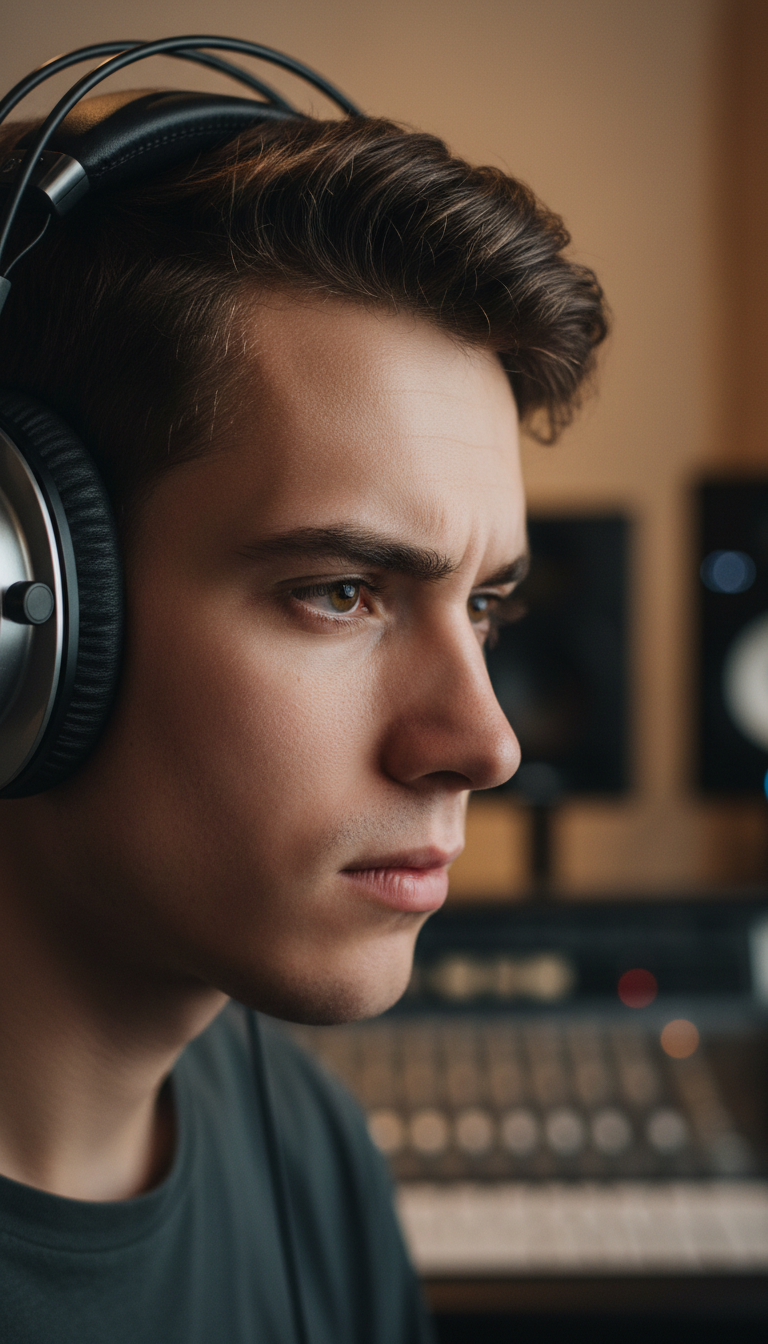
Barriers such as distractions, preconceived notions, and emotional responses can hinder active listening. To overcome these, stay present in the moment and focus on the speaker's words. Reducing external distractions, like noise, can also enhance your ability to listen actively.
Verbal Communication: Choosing the Right Words
Verbal communication is more than just choosing words; it's about delivering your message clearly and effectively. Consider the following tips:
- Use simple, clear language to avoid misunderstandings.
- Be concise and stay on topic.
- Adapt your language to your audience.
Using Tone and Pace
Tone and pace play significant roles in how your message is received. A friendly tone can put the listener at ease, while varying your pace can emphasize key points. Practice speaking at a comfortable pace, and use pauses to allow your audience to absorb your message.
Non-Verbal Communication: The Unspoken Elements
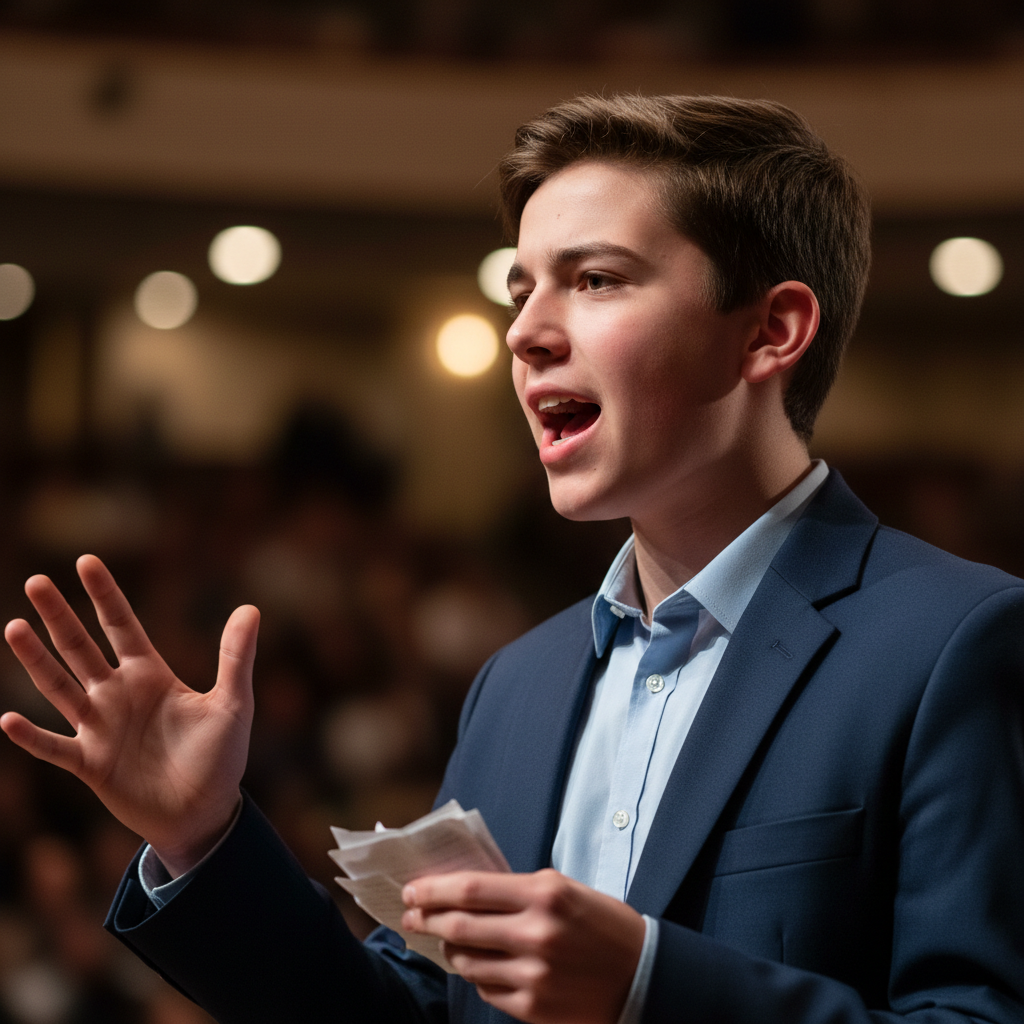
Non-verbal communication includes facial expressions, gestures, and posture. It often conveys more than words alone. Being aware of your body language and interpreting others' non-verbal cues can significantly enhance your communication skills.
Aligning Verbal and Non-Verbal Messages
Ensure that your non-verbal messages align with your verbal communication. Mixed signals can lead to confusion and misinterpretation. For example, maintaining a relaxed posture while speaking assertively can create a balanced and effective communication style.
Feedback: A Tool for Improvement
Feedback is an essential part of communication that allows for growth and understanding. Whether giving or receiving feedback, ensure it is constructive and focused on specific areas for improvement. Effective feedback fosters a positive environment for learning and development.

Continuous Improvement: Practice Makes Perfect
Enhancing communication skills is a continuous journey. Regular practice and mindfulness can lead to significant improvements. Consider joining workshops, reading books on communication, or seeking mentorship to refine your skills. Remember, effective communication is a powerful tool that opens doors to countless opportunities.