
Guide to Emotional Intelligence: A Key Soft Skill for Success
yr
Understanding Emotional Intelligence
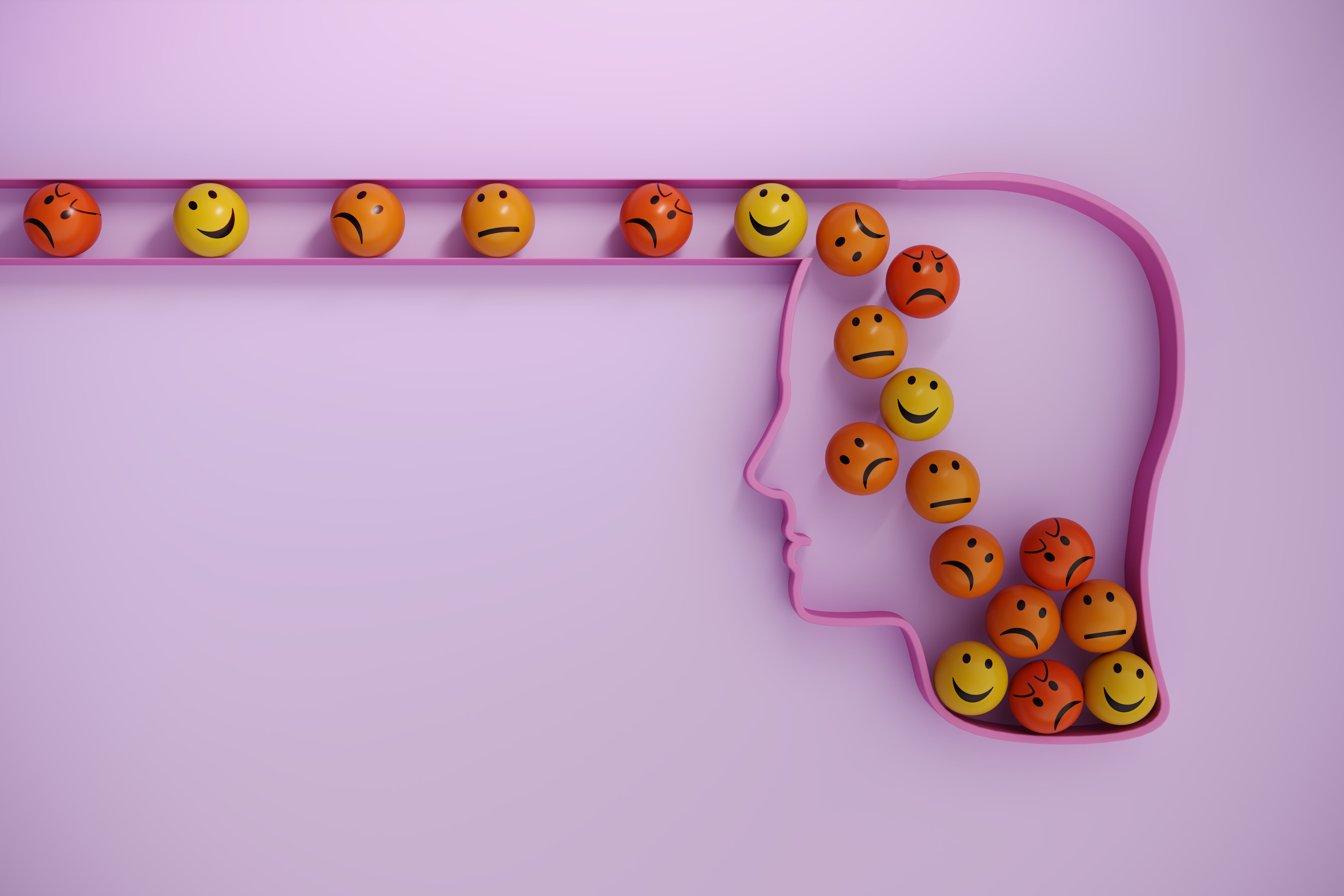
Emotional Intelligence (EI) is the ability to recognize, understand, and manage our own emotions, as well as the emotions of others. This key soft skill is increasingly recognized as essential for personal and professional success. In a world where collaboration and communication are crucial, EI sets the foundation for effective interactions.
The Components of Emotional Intelligence
Self-Awareness
Self-awareness is the cornerstone of emotional intelligence. It involves understanding your own emotions, strengths, weaknesses, and triggers. By being self-aware, individuals can make conscious decisions rather than reacting impulsively.
Self-Regulation
Self-regulation refers to the ability to control or redirect disruptive emotions and impulses. It involves staying calm and clear-headed during stressful situations, which leads to greater personal and professional resilience.
Developing Emotional Intelligence
Empathy
Empathy is the ability to understand and share the feelings of others. It's a critical component of EI that fosters strong relationships and effective communication. Empathy allows you to connect with others on a deeper level, enhancing teamwork and collaboration.

Social Skills
Social skills are essential for managing relationships and building networks. These skills include effective communication, conflict resolution, and the ability to inspire and influence others. Strong social skills lead to better collaboration and leadership.
The Benefits of Emotional Intelligence
Emotional intelligence offers numerous benefits, including improved relationships, better mental health, and enhanced job performance. Individuals with high EI are often more adaptable, resilient, and effective in their roles.
- Improved communication and teamwork.
- Greater empathy and understanding.
- Enhanced leadership abilities.
Practical Tips to Enhance EI
Enhancing your emotional intelligence is a journey that involves continuous learning and practice. Here are some practical tips:
- Engage in regular self-reflection to increase self-awareness.
- Practice active listening to boost empathy.
- Develop stress management techniques for better self-regulation.

Incorporating these strategies into your daily life can gradually improve your emotional intelligence, making you more effective in both personal and professional spheres. Remember, emotional intelligence is not fixed—it can be developed and strengthened over time.
By prioritizing emotional intelligence, you not only enhance your own well-being but also contribute positively to your workplace and community. As you cultivate these skills, you'll find yourself better equipped to navigate the complexities of modern life.