
How to Improve Emotional Intelligence for Success
yr
Understanding Emotional Intelligence
Emotional intelligence (EI) is the ability to understand and manage your own emotions while also recognizing and influencing the emotions of others. This skill is essential for personal and professional success, as it can improve communication, problem-solving, and leadership abilities.
Many people believe that emotional intelligence is an innate trait, but it is actually a skill that can be developed and refined over time. By focusing on a few key areas, you can enhance your emotional intelligence and achieve greater success in all areas of your life.
Developing Self-Awareness
Self-awareness is the foundation of emotional intelligence. It involves recognizing your emotions and understanding their impact on your thoughts and behaviors. To improve self-awareness, start by regularly reflecting on your emotional responses and identifying triggers. Keeping a journal can be a helpful tool for this process.
Additionally, seek feedback from friends, family, or colleagues to gain insight into how others perceive your emotional responses. Understanding how your emotions affect those around you is crucial for personal growth.
Enhancing Self-Regulation
Self-regulation is the ability to control impulsive feelings and behaviors, manage your emotions in healthy ways, and take initiative. To enhance self-regulation, practice mindfulness techniques such as meditation or deep breathing exercises. These practices can help you remain calm and focused, even in stressful situations.

Setting clear goals and breaking them into manageable steps can also aid in self-regulation. By focusing on actionable tasks, you can maintain control over your actions and reduce stress.
Building Empathy
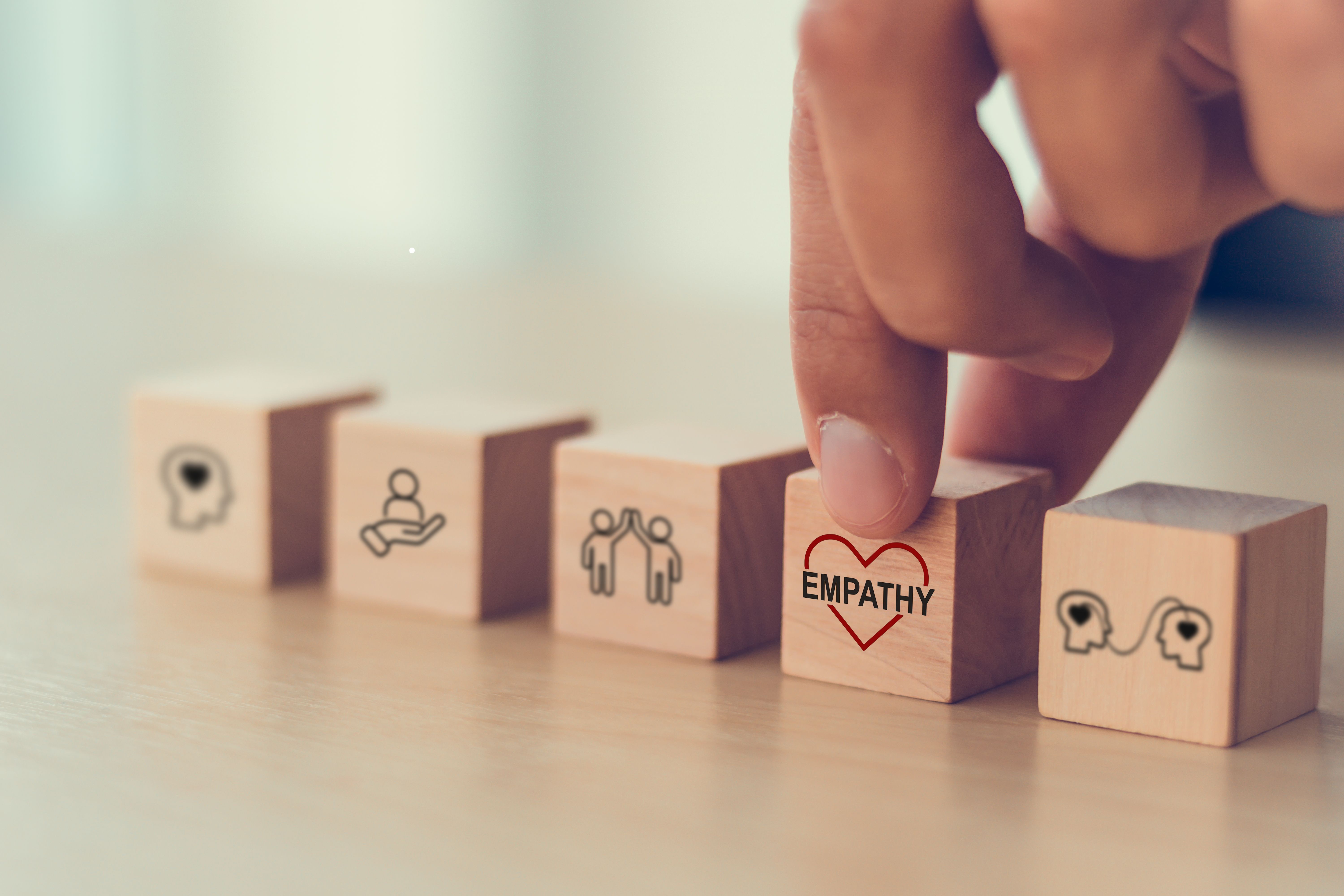
Empathy is the ability to understand and share the feelings of others. It is a key component of emotional intelligence, as it allows you to connect with people on a deeper level. To build empathy, actively listen to others and try to see situations from their perspective. Practice open-ended questioning to encourage deeper conversations.
Volunteering or participating in community activities can also expose you to diverse experiences, further enhancing your ability to empathize with others.

Improving Social Skills
Strong social skills are critical for building relationships and networks. To improve these skills, focus on effective communication by being clear and concise, while also being attentive to non-verbal cues. Working on your body language and maintaining eye contact can make interactions more meaningful.
Engage in activities that require teamwork and collaboration. These experiences can help develop your ability to work well with others, resolve conflicts, and lead effectively.
Increasing Motivation
Motivation is the drive to achieve goals and maintain a positive attitude even in the face of challenges. To boost motivation, set clear and achievable goals that align with your values. Celebrating small successes along the way can keep you inspired and focused.
Surround yourself with positive influences and seek out mentors who can provide guidance and encouragement. Their support can play a significant role in sustaining your motivation and helping you reach your full potential.