
Mastering Communication: Essential Soft Skills for Personal Growth
yr
Understanding the Importance of Communication
Communication is more than just exchanging information; it's about understanding emotions and intentions behind the data. Effective communication is a critical life skill that enhances our personal growth and development. It involves listening, understanding, and responding in a way that improves relationships and fosters mutual respect.
Mastering communication is essential for both personal and professional success. It enables us to express our thoughts clearly and confidently, minimizing misunderstandings and fostering collaboration.

Active Listening: The Foundation of Effective Communication
Active listening is a vital component of effective communication. It involves paying full attention to the speaker, understanding their message, responding thoughtfully, and remembering key points. This skill helps build trust and shows respect for the speaker, encouraging open and honest dialogue.
To practice active listening, focus on the speaker, avoid interrupting, and provide feedback. Use verbal affirmations like "I see" or "I understand" to show engagement. These small actions can significantly enhance communication quality.
Nonverbal Communication: More Than Words
Nonverbal communication includes body language, facial expressions, gestures, posture, and eye contact. These nonverbal cues often convey more than words alone can. Being aware of your own body language and reading others' can help you communicate more effectively.

For instance, maintaining eye contact can demonstrate confidence and attentiveness, while a relaxed posture can make you appear approachable and open. By aligning your verbal and nonverbal messages, you can convey your thoughts more clearly and effectively.
Empathy: Connecting on a Deeper Level
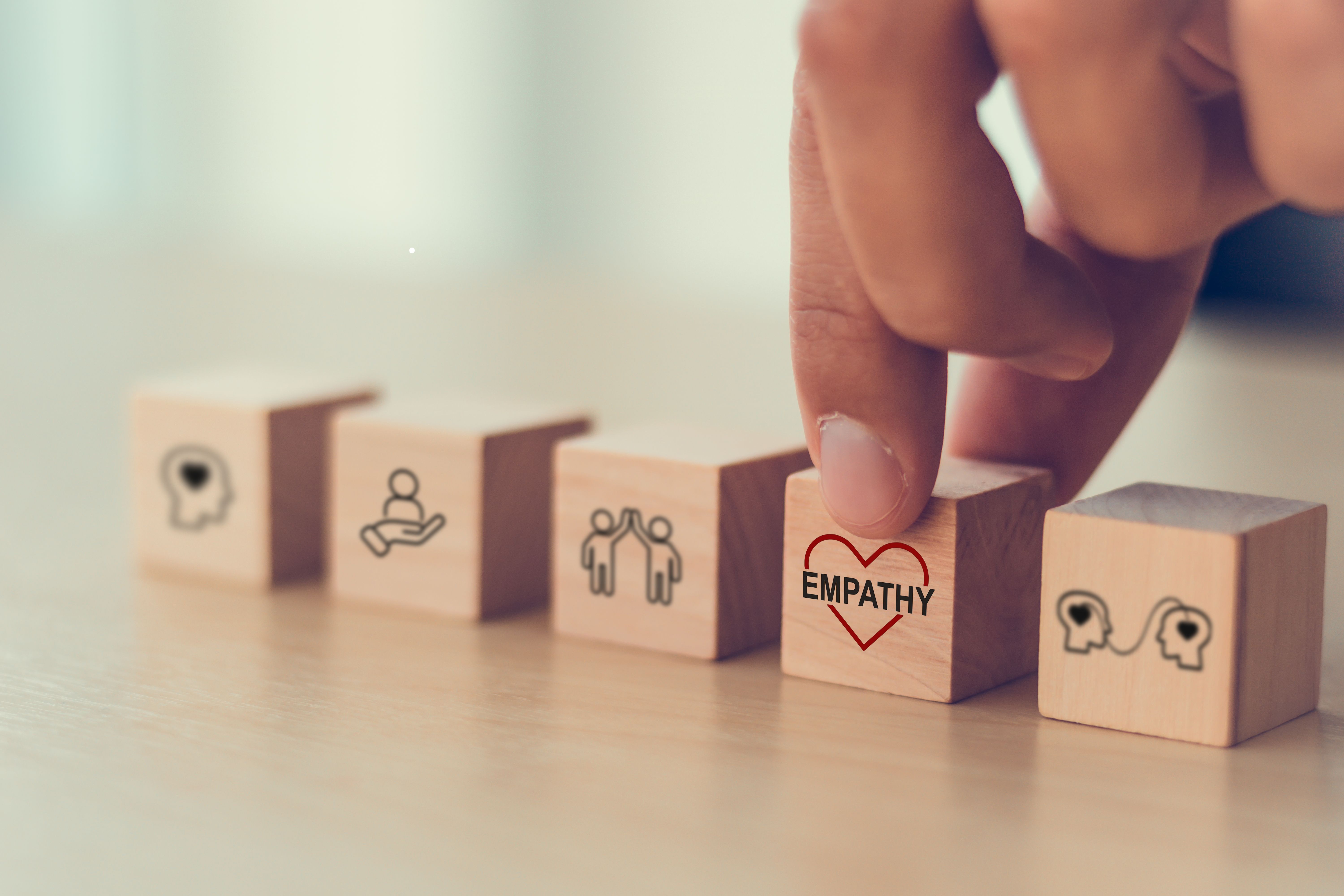
Empathy is the ability to understand and share the feelings of others. It plays a crucial role in communication by allowing us to connect with people on a deeper level. Empathetic communication involves acknowledging others' emotions and showing genuine care and concern.
Developing empathy can enhance your interpersonal skills, leading to more meaningful relationships. Practice active listening, ask open-ended questions, and validate others' feelings to cultivate empathy in your communication.
Clarity and Conciseness: Communicating with Precision
Clear and concise communication is essential in ensuring your message is understood as intended. Avoid jargon and overly complex language that might confuse the listener. Instead, focus on delivering your message in a straightforward manner.
- Organize your thoughts before speaking.
- Use simple language.
- Be direct and to the point.
By practicing clarity and conciseness, you can minimize misunderstandings and ensure that your audience comprehends your message effectively.
Feedback: The Key to Continuous Improvement
Giving and receiving feedback is an integral part of mastering communication. Constructive feedback helps individuals grow and improve their skills. It should be specific, actionable, and delivered with respect.
When receiving feedback, remain open-minded and receptive. View it as an opportunity for growth rather than criticism. This approach fosters a positive environment where communication can thrive.

Adaptability: Tailoring Communication to Different Audiences
Effective communicators are adaptable and can tailor their message to suit different audiences. Understanding the needs, preferences, and expectations of your audience allows you to adjust your communication style accordingly.
- Identify your audience's communication preferences.
- Adjust your tone and language as needed.
- Be open to feedback and willing to make changes.
Adaptability enhances your ability to connect with diverse groups, facilitating better understanding and collaboration.