
Overcoming Public Speaking Anxiety: Expert Tips and Strategies
yr
Understanding Public Speaking Anxiety
Public speaking anxiety, also known as glossophobia, is a common fear that affects many individuals. It's characterized by intense nervousness before or during a speaking engagement. Understanding this anxiety is the first step in overcoming it. It's important to recognize that even experienced speakers can feel anxious at times.
The fear often stems from the pressure to perform well and the worry about being judged by others. Recognizing that these feelings are normal can help in managing them more effectively.
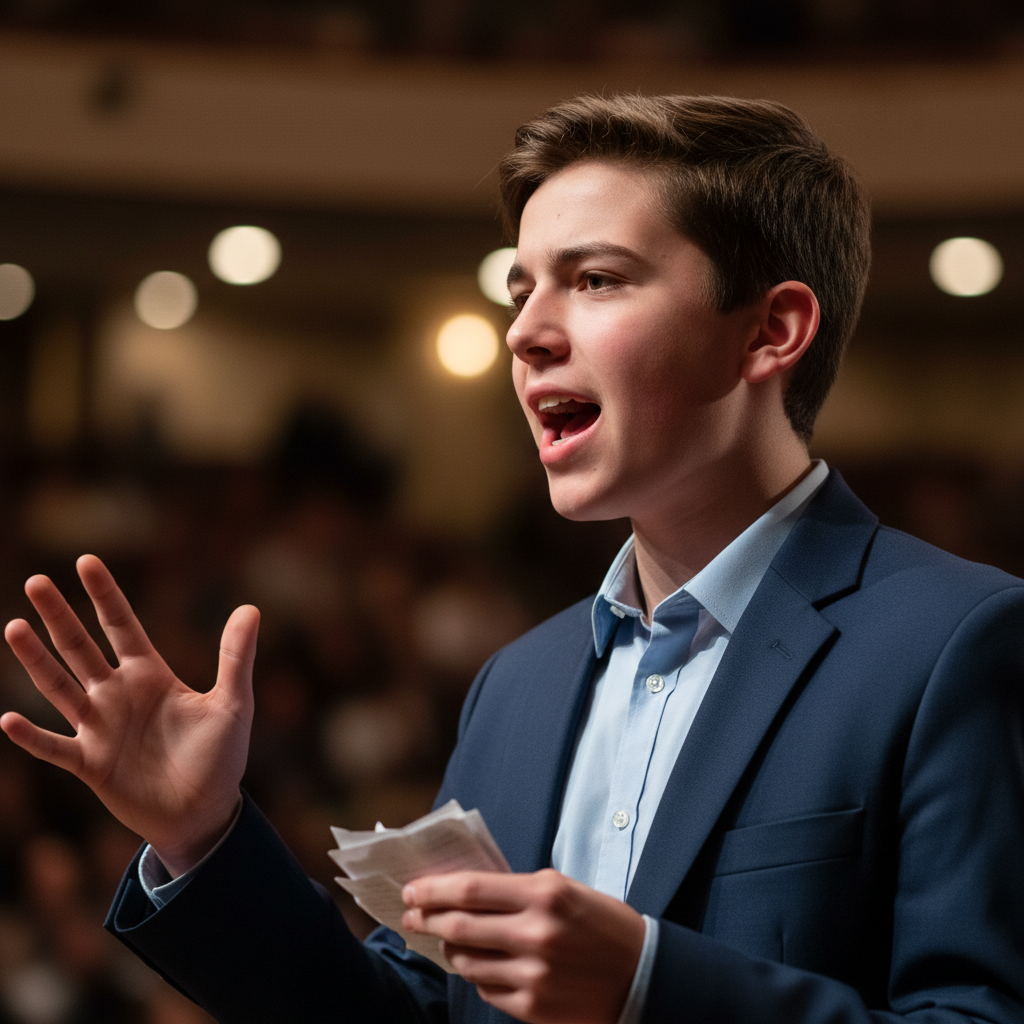
Preparation is Key
One of the most effective ways to combat public speaking anxiety is through thorough preparation. Knowing your material inside out can boost your confidence and reduce nervousness. Start by organizing your content logically, using bullet points to outline key topics.
Practice your speech multiple times, preferably in front of a mirror or with a trusted friend. This practice helps you become familiar with your speech and allows you to refine your delivery. The more you rehearse, the more confident you will feel when it's time to present.
Visualize Success
Visualization techniques can be powerful tools in reducing anxiety. Spend a few minutes each day imagining yourself delivering a successful speech. Picture the audience reacting positively and yourself speaking with confidence and clarity.
Visualization helps in conditioning your mind to expect success rather than fear failure. It can significantly alter your mindset and reduce feelings of anxiety.
Breathing and Relaxation Techniques
Incorporating breathing exercises into your routine can greatly aid in calming nerves. Deep breathing helps lower your heart rate and promotes a sense of calm. Try inhaling deeply through your nose, holding for a few seconds, and then slowly exhaling through your mouth.
Another effective technique is progressive muscle relaxation, where you tense and then slowly relax each muscle group. These practices can be done right before your speech to help keep anxiety at bay.

Engage with Your Audience
Connecting with your audience can make public speaking feel less daunting. Start by making eye contact with friendly faces in the crowd. This not only builds rapport but also shifts your focus away from your anxiety and toward your message.
Encourage audience participation by asking questions or inviting feedback. This interaction can make your presentation more dynamic and engaging, easing your anxiety in the process.
Seek Professional Help if Needed
If public speaking anxiety continues to be overwhelming despite your best efforts, seeking professional help can be beneficial. Therapists and coaches specializing in anxiety or public speaking can provide personalized strategies to help you manage your fears.
Joining a public speaking group can also offer support and practice opportunities in a safe and encouraging environment.

Embrace Imperfection
Finally, remember that it's okay to make mistakes. Even the most seasoned speakers slip up occasionally. What matters is how you handle those moments. Embrace imperfections as part of the learning process and use them to improve.
Every public speaking experience is an opportunity to grow. Over time, with practice and patience, you can become a confident and effective speaker.