
Soft Skills for Students: Preparing for a Successful Future
yr
The Importance of Soft Skills for Students
In today's rapidly changing world, students must equip themselves not only with technical knowledge but also with essential soft skills. These skills are crucial for adapting to diverse environments and can significantly impact a student's future career success. While hard skills are often prioritized, soft skills ensure that individuals can navigate the complexities of the modern workplace effectively.

Communication Skills
Effective communication is at the heart of professional and personal success. Students must learn to express their ideas clearly and listen actively to others. These skills are vital in collaborative environments where teamwork often determines the outcome of projects. By mastering communication, students can build stronger relationships and achieve their goals more efficiently.
To improve communication skills, students can:
- Participate in group discussions and presentations.
- Engage in active listening exercises.
- Seek feedback from peers and mentors.
Problem-Solving and Critical Thinking
Problem-solving and critical thinking are indispensable skills in today's job market. Employers value candidates who can analyze situations, identify problems, and develop creative solutions. These skills enable students to approach challenges methodically and make informed decisions.
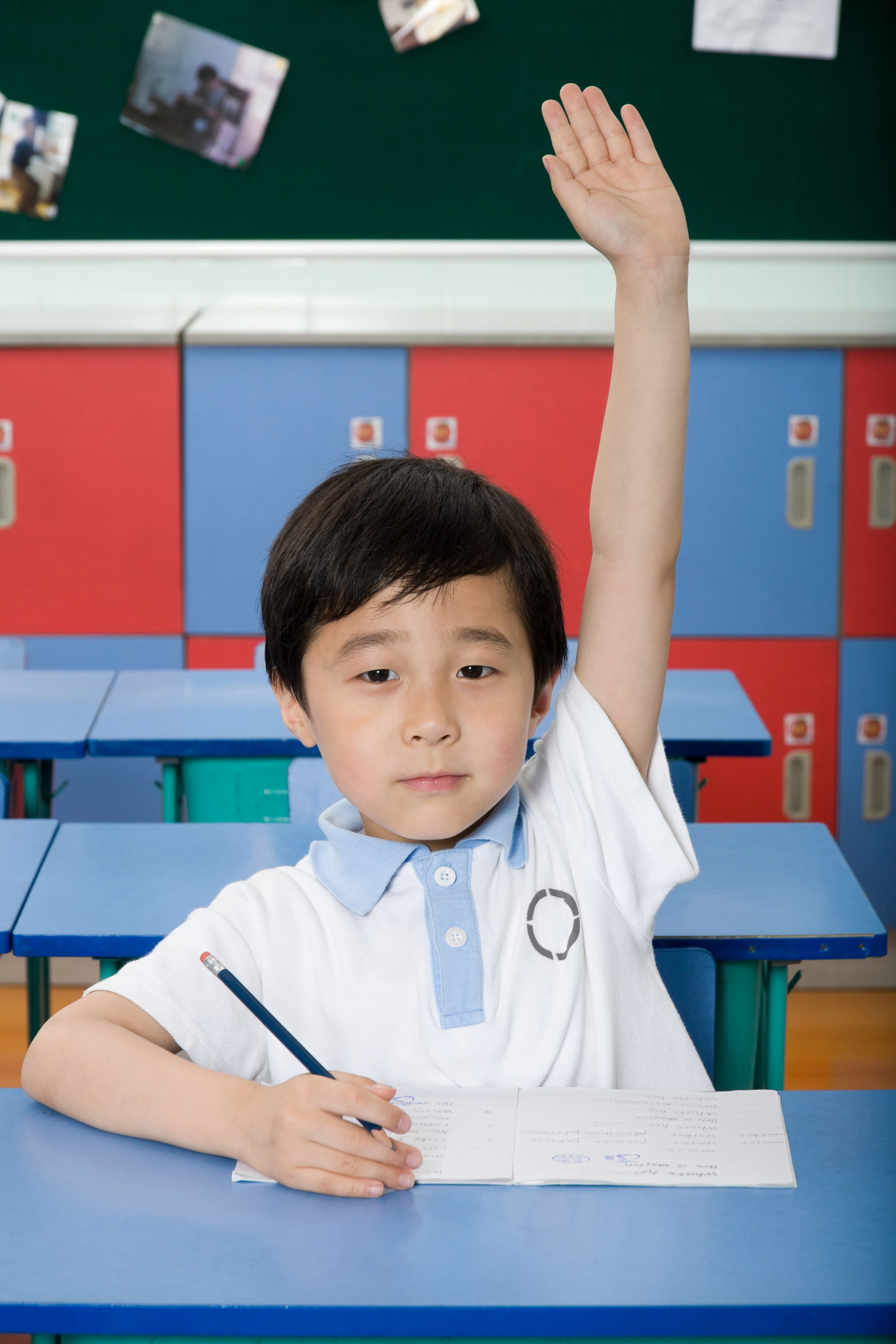
Encouraging students to tackle complex problems enhances their ability to handle real-world situations. They can engage in activities such as:
- Participating in case studies and simulations.
- Joining debate clubs to explore different perspectives.
- Engaging in project-based learning.
Teamwork and Collaboration
Working effectively with others is a cornerstone of success in any professional setting. Teamwork involves understanding diverse viewpoints, sharing responsibilities, and achieving common goals. By developing collaboration skills, students can thrive in group environments and contribute meaningfully to team efforts.

Students can enhance their teamwork abilities by:
- Engaging in group projects and extracurricular activities.
- Learning to mediate and resolve conflicts.
- Practicing empathy and understanding different perspectives.
Adaptability and Resilience
In a world of constant change, adaptability and resilience are critical. Students must be prepared to face setbacks and adapt to new circumstances quickly. These skills empower students to remain positive and proactive despite challenges, ensuring long-term success and personal growth.
Building adaptability and resilience can be achieved through:
- Exposure to diverse experiences and learning environments.
- Reflecting on failures and learning from them.
- Practicing mindfulness and stress management techniques.

Conclusion
Soft skills are a vital component of a well-rounded education. By nurturing these skills, students prepare themselves for a successful future, equipped to handle the demands of the modern workplace. Educators, parents, and students must prioritize the development of soft skills alongside traditional academic achievements to ensure holistic growth and success.